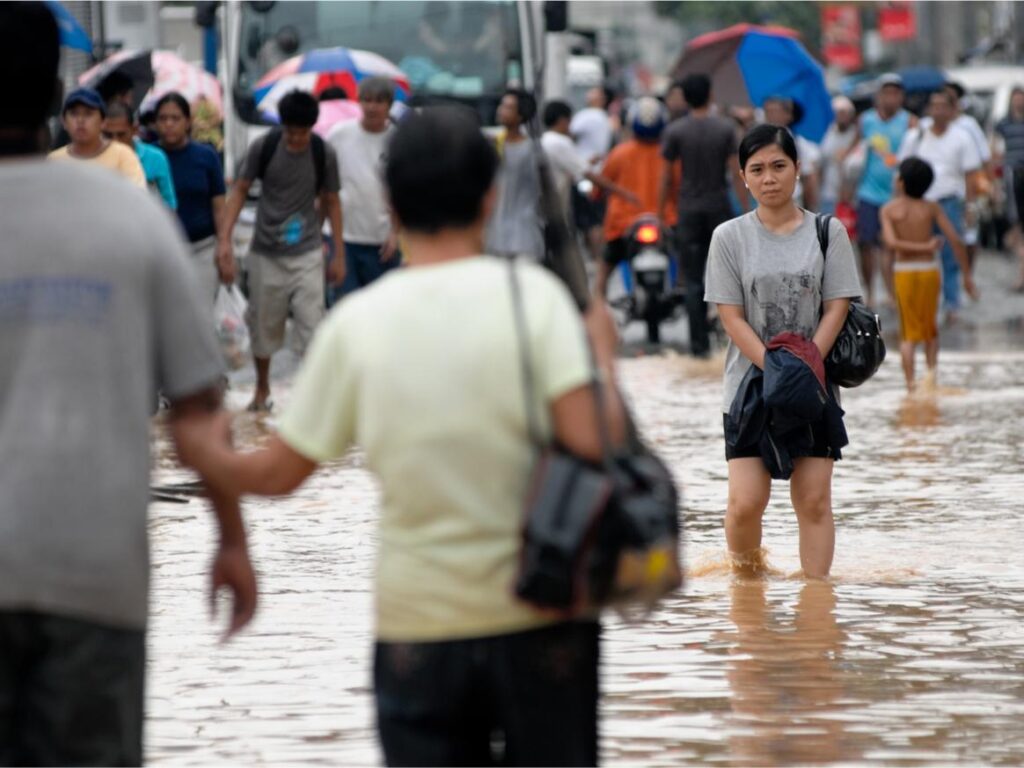
The start of the rainy season comes with the anticipated problem of heavy flooding in the Metro and nearby areas. With a number of tropical storms and monsoon rains almost every week, you can expect flooding in streets and even major thoroughfares. This caused people, especially commuters, to wade through the floodwaters despite it being dangerous and toxic. This eventually leads to a rise in leptospirosis cases in the country.
Prevalence of leptospirosis
Leptospirosis is a significant health problem in the country, with rising cases recorded during the rainy season starting June of every year. Outbreaks usually happen when there’s heavy downpour or storm followed by severe flooding. This disease is usually not transferred person to person, but it can spread to humans through contact with contaminated water sources especially those polluted by animal urine.
It is a blood infection that spreads through flood water containing the urine of infected dogs, rats, and farm animals. It is a zoonotic disease caused by the leptospira bacterium found in contaminated water or soil. This bacteria can enter the body through breaks or wounds in the skin or through eyes, nose, and mouth. In a report from the Centers of Disease Control and Prevention (CDC), it was estimated that there are about one million leptospirosis cases in humans globally each year, resulting in nearly 60,000 deaths.
In November 2024, the Department of Health recorded 2,900 leptospirosis cases in Metro Manila alone, reaching its epidemic threshold. It is 95.14 percent higher compared to the same period last 2023 with 1,481 cases.
Signs and symptoms to watch out for
The bacteria present in this disease usually thrives and are most common in tropical areas and warmer climates with lots of rainfall every year, like the Philippines. Regardless, a person may still get this infection no matter where they live. You may even be at risk if you engage in activities that put you in contact with contaminated water, soil, or animals. This may include some water recreation activities, hiking, hunting, or even gardening and any routine outdoor work.
While the rising number of this water-borne disease may aggravate more with continuous rainfall and floodwater, we need to be prepared and know the signs and symptoms of the infection. A good indicator is to be aware if you have waded through contaminated waters.
Some people experience flu-like symptoms and some may be asymptomatic. For acute leptospirosis, a person may experience these symptoms:
- High fever
- Red eyes (conjunctival injection)
- Headache
- Chills
- Body or muscle aches
- Vomiting and nausea
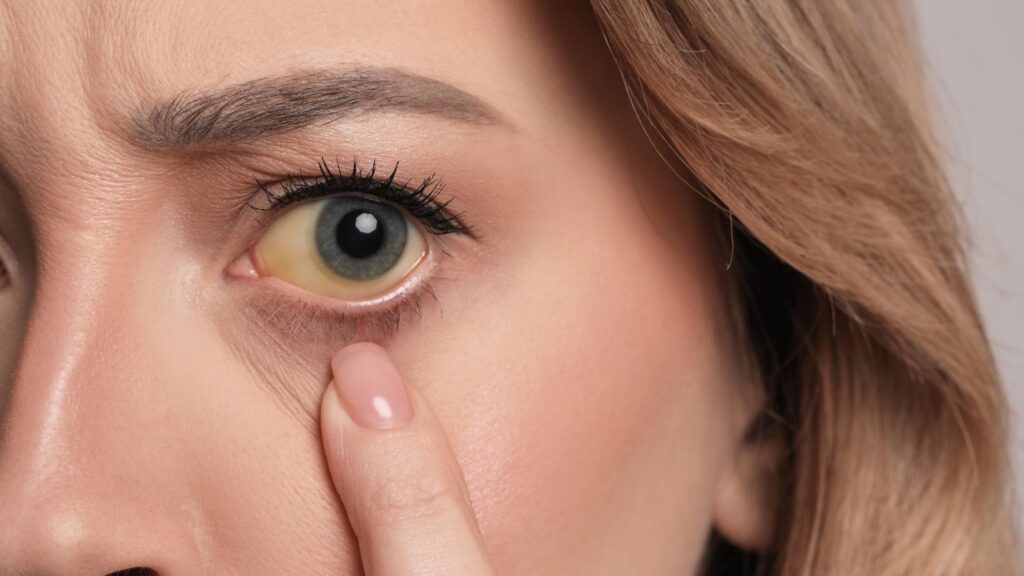
- Yellow skin and eyes (jaundice)
- Diarrhea
- Stomach pain
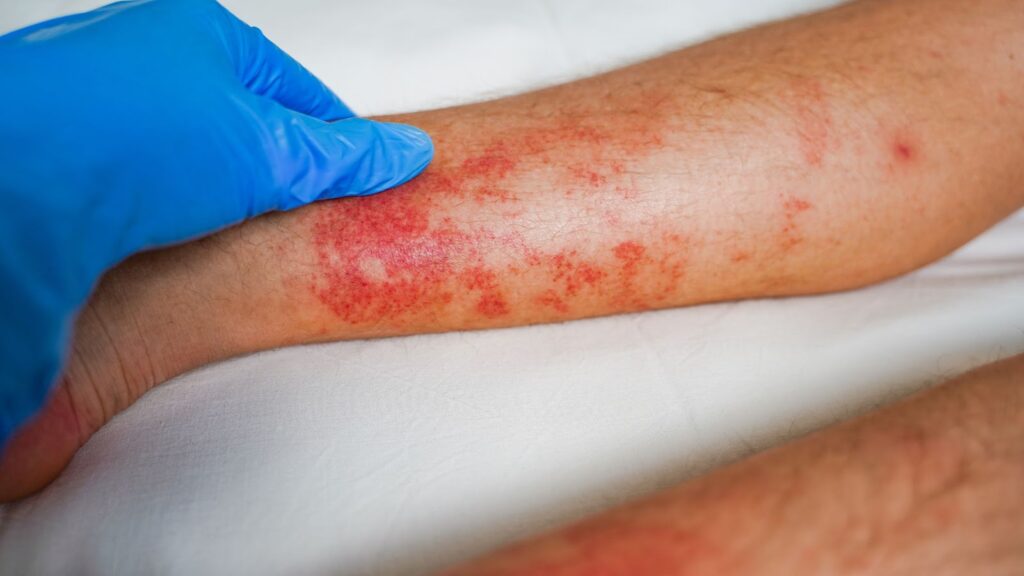
- Rash
For people experiencing severe leptospirosis or the Weil’s syndrome, signs and symptoms may include the following:
- Coughing blood (hemoptysis)
- Chest pain
- Trouble breathing
- Severe yellowing of skin and eyes
- Black, tarry poop (stool)
- Blood in pee (hematuria)
- Decreased urination
- Flat, red spots that looks like rash (petechiae)
Dr. Pauline Convocar, Chair of MDH Emergency Department Services, notes that the incubation period for leptospirosis is typically 5 to 14 days after exposure, with a usual range of between 2 to 30 days. “If you had contact with contaminated water and experienced any of these symptoms within the incubation period, it’s best to seek emergency medical care. It’s important to not self medicate. Always consult a healthcare provider before buying over-the-counter drugs”, she added. Leptospirosis is usually treated with antibiotics like doxycycline or penicillin, but these should only be dispensed upon the discretion and advice of healthcare professionals.
Lowering the risks of infection
As the old maxim goes, prevention is better than cure.
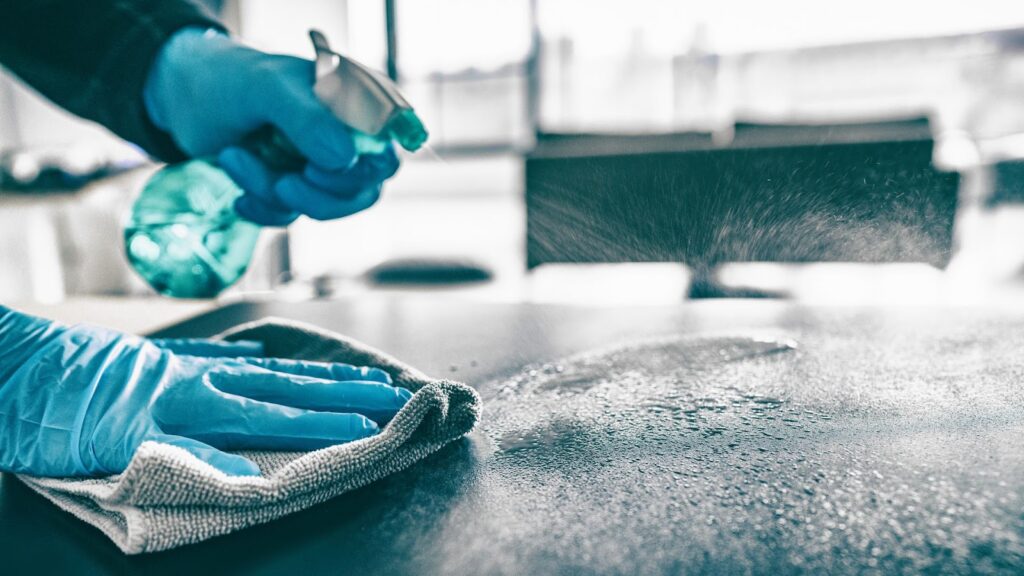
During this rainy season, it is highly recommended to avoid floodwaters as much as possible. If necessarily needed and unavoidable, make sure to use waterproof protective clothing, especially covering areas of your body with cuts or scratches. If you work in an environment where the risk of getting leptospirosis is high like in veterinary clinics, poultry farms, slaughterhouses, sanitation units, and sewages, make sure that you follow standard health protocols of the workplace. Handwashing is extremely important, as well as using personal protective equipment, cleaning and disinfecting surfaces and equipment, controlling rodent population, and ensuring necessary vaccinations against leptospirosis.
For post infections, ensure that you don’t delay emergency consultations as early treatment can save lives. “Leptospirosis is preventable and treatable, but it can be deadly if ignored. Immediately contact your healthcare provider if you have any new symptoms, or any of them has worsened”, Dr. Convocar added.
Leptospirosis can be a serious health hazard if left unnoticed and ignored. But knowing your risks, taking precautions, and recognizing symptoms can keep you healthy and safe especially this rainy season.
Should you need immediate medical attention after contact with floodwater or any contaminated water, call the MDH Emergency Department Services at (02) 8558-0888 local 0548, 0549, 2221, or email er@maniladoctors.com.ph.
SOURCES:
1. https://www.cdc.gov/leptospirosis/about/index.html
2. https://my.clevelandclinic.org/health/diseases/24021-leptospirosis
3. https://www.philstar.com/nation/2023/10/15/2303894/leptospirosis-cases-deaths-still-up